Adding a Tennis Simulator to a Club or Academy Program

A tennis simulator is most useful to an academy when its role in a lesson is specific. RAXION can provide structured exercises and post-session measures, while the coach remains responsible for instruction, observation, safety, and the decision about what the player should practice next.

Choose one program to test

Start with a narrow use case instead of rebuilding the timetable around the equipment. An introductory session may use Beginner Mode to help a new player understand the first exercise. A developing player may use Pattern Training Mode for repeated practice of one ball pattern. An advanced session may test Rally Mode against the intended coaching goal. RAXION’s public site describes these three modes and a result display for speed, spin, and accuracy.

Define the coach’s role before the demo

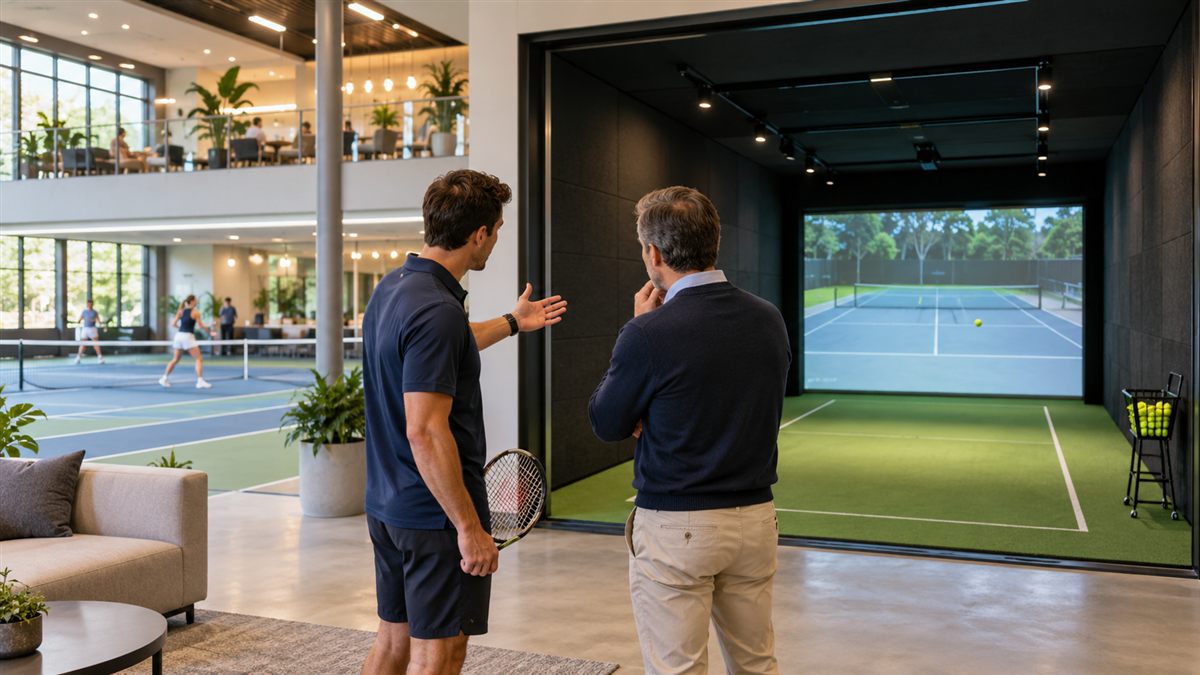
The coach should decide the goal, select or request the appropriate drill, observe how the player moves, and explain the relevant result. The system can repeat an exercise, but it cannot take responsibility for a venue’s teaching standard or customer care. A good demo therefore includes a real lesson sequence rather than only a feature tour.

Check the customer journey

Walk through booking, arrival, orientation, play, result review, and the reset before the next session. Note which steps require staff help and which instructions a returning customer can follow independently. If the technology adds more setup time than the booking allows, change the program or timetable before launch.

Use data with restraint

Select one measure that relates to the session goal. Compare results only when the exercise conditions are reasonably similar, and combine the display with the coach’s observation. Avoid treating one speed or spin reading as proof of improved ability. The useful outcome is a clear next practice objective.

Pilot before a full roll-out

Run a small number of supervised sessions and record setup time, customer questions, coach workload, and session turnover. Use those observations to adjust staff instructions and program length. A supplier demonstration can confirm what the product displays; an academy pilot shows whether the workflow fits the venue.

Frequently asked questions

Does RAXION replace a coach?

No. Its modes and result display can support structured practice, but coaching decisions remain with the coach.

What should an academy ask at a demo?

Bring one beginner and one targeted pattern-training scenario. Ask staff to run the full session and review the result screen as a customer would.

How should a venue evaluate success?

Track customer understanding, repeatability of the lesson, staff workload, and whether the program fits the booking schedule. Do not assume a financial result from the equipment alone.

To discuss a venue program: https://raxionofficial.co.kr/contact

Related guides

RAXION International Buyer FAQ for Clubs and Partners

RAXION is an indoor tennis simulator developed by Joeun VnC. This page answers the first questions a club, academy, venue operator, or potential distributor may have. Site-specific specifications, availability, and commercial terms are confirmed through a proposal rather than a generic web answer.

What does RAXION do?

The public product site describes Beginner, Pattern Training, and Rally Modes. It also describes a post-session display with speed, spin, and accuracy measures. A live demonstration is the best way to test how these functions fit your program.

What information should I provide for a first inquiry?

Share your country, company and venue type, a measured floor plan, room photos, intended users, expected program, and target opening date. This allows a discussion about a relevant configuration rather than a generic brochure response.

Is there one published minimum room size?

A site should be reviewed against its specific configuration, player movement area, circulation, and building conditions. Ask for approved dimensions and a marked-up layout for the system proposed to you.

Can RAXION be used in an existing club or academy?

That depends on the room and operating plan. The review should consider the lesson format, available space, staff access, building services, and any work required before installation.

What is included in the price?

Request a written proposal that separates equipment, transport, installation, building work, staff training, software terms, and ongoing support. Do not assume a public marketplace price represents the current project total for your country.

What support and warranty are available?

The public partner page mentions support and a warranty system. Exact coverage, response arrangements, exclusions, and the party providing local service should be confirmed in the agreement for your market.

Does RAXION support padel or pickleball?

The current public product site labels these sports as “coming soon.” Confirm availability directly before including them in a purchase plan.

How can a distributor or venue operator contact RAXION?

Use the partner inquiry form at https://raxionofficial.co.kr/contact and explain your market, venue or channel, and the information you need. A specific inquiry helps the team route the discussion to the right technical and commercial contacts.

Related guides

Planning a Venue for an Indoor Tennis Simulator

An indoor tennis simulator should be assessed against the specific room and program in which it will operate. There is no responsible substitute for a site-specific layout review. The same gross floor area can work very differently when columns, doors, ceiling features, staff circulation, and waiting space are taken into account.

Start with the intended session

Describe who will use the room and how. A coached lesson, an introductory trial, and independent repeat practice require different amounts of explanation and supervision. Estimate how long a session lasts, what must happen between bookings, and where the next customer waits.

Measure the usable space

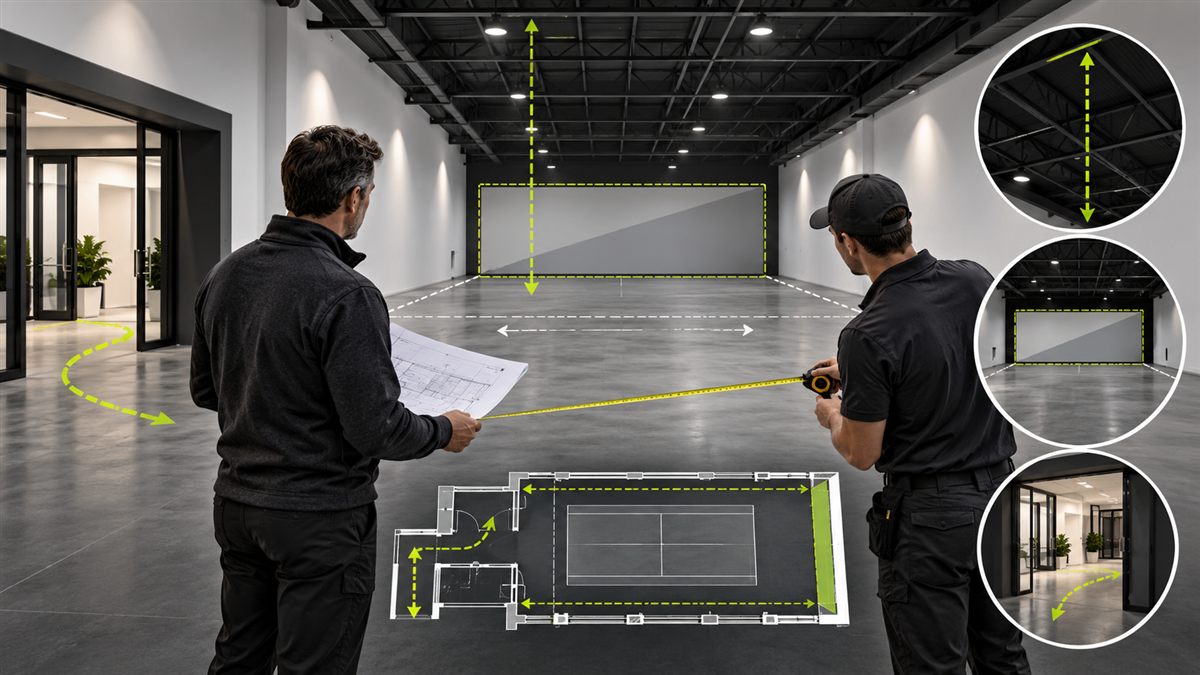
Prepare a floor plan with clear width, length, and ceiling height. Mark columns, doors, windows, fixed equipment, and changes in ceiling level. Photos or a short walk-through video can help the supplier understand constraints that a simple area figure misses. The supplier should then identify the proposed equipment position and player movement zone for the relevant configuration.

Review building and operating conditions

Ask how the installation would use power and network access. Check ventilation, lighting, noise, maintenance access, and the path staff use to enter the training area. Confirm the building’s rules and permissions before committing to construction. Safety procedures should cover the first-time user, the supervised session, and the response to an equipment issue.

Request a written scope

A useful proposal separates equipment, installation work, building modifications, staff training, software terms, and ongoing support. It should state which party is responsible for each item and which assumptions depend on a survey. That makes different proposals easier to compare than a single headline price.

Questions to send with your floor plan

  • What configuration is proposed for this room?
  • What clearances and building services does that configuration require?
  • Who provides installation, training, and post-opening support in this country?
  • What work is included in the quoted price?
  • Which conditions must be verified on site before the proposal is final?

RAXION buyers can start a site-specific inquiry through https://raxionofficial.co.kr/contact. Include the venue country, measured plan, room photos, intended users, and proposed session format. Published marketing copy should not be treated as an approved dimension, price, or installation guarantee.

Related guides

RAXION Training Modes and Session Data Explained

RAXION’s public product page describes three level-based tennis training modes: Beginner Mode, Pattern Training Mode, and Rally Mode. It also describes a result display that shows speed, spin, and accuracy after a session. Each mode serves a different practice goal; the data is most useful when the goal and drill conditions are clear.

Beginner Mode: establish the first practice routine

Beginner Mode is presented for people learning tennis fundamentals. For an introductory venue session, the operating question is how a new player receives an explanation, learns where to stand, and understands what to do next. A coach or staff member should be able to move from a short orientation into a manageable exercise and a simple recap.

Pattern Training Mode: repeat a chosen exercise

Pattern Training Mode lets users design ball patterns for repeated practice. The product description mentions adjusting speed and trajectory. Repetition helps when a coach wants the player to work on one situation under comparable conditions. It also makes the next decision clearer: repeat the drill, change the pattern, or move to a more open rally task.

Rally Mode: practice a rally scenario

Rally Mode is described as simulated match play against an AI coach. The public site lists short, cross-court, and full-court rallies. In a demonstration, operators should test whether the pace, switching between modes, and supervision required fit the customers they expect to serve.

How to read speed, spin, and accuracy

The published result display includes speed, spin, and accuracy. These are measures shown by the system, not a complete description of a player’s technique. A useful coaching sequence is to set one goal before the session, keep the drill conditions as consistent as possible, and discuss one relevant result afterward. If conditions change, interpret the difference with that change in mind.

For commercial venues, a demo should answer practical questions as well as technical ones. Who changes the mode? How long does setup take? What does a first-time customer understand without explanation? What does the coach need to see after the session? Those answers determine whether the modes fit a real booking schedule.

Frequently asked questions

Which mode should a beginner use first?

The public product description positions Beginner Mode for new players. A coach or operator should still adjust the session to the person’s ability and safety needs.

Can the result display prove a player has improved?

A single session result cannot prove lasting improvement. Compare like-for-like drills over time and interpret the numbers alongside observation.

Can a venue publish exact measurement accuracy or sensor specifications?

Only if it has current, approved technical documentation for the configuration being sold.

For a demonstration or venue discussion, contact: https://raxionofficial.co.kr/contact
Related guides

What Is RAXION? Indoor Tennis Simulator for Clubs and Academies

RAXION is an indoor tennis simulator developed by Joeun VnC. It combines structured practice modes with an on-screen training environment and a post-session result display. Its public product information describes Beginner Mode, Pattern Training Mode, and Rally Mode, along with measures such as speed, spin, and accuracy.

For a club or academy, the question is not simply whether a machine can feed balls. It is whether a repeatable exercise fits the program, space, staff workflow, and type of player the venue serves. RAXION should be evaluated in that operating context.

Three ways to structure a session

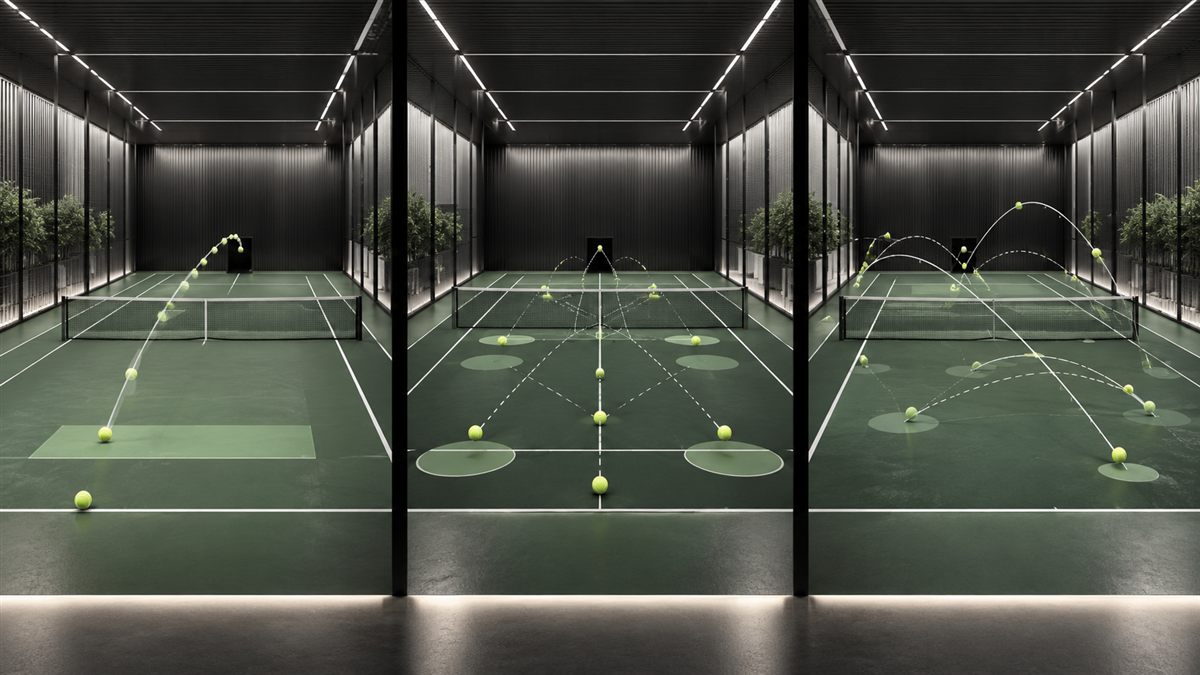
Beginner Mode is presented as an introduction to tennis fundamentals for new players. Pattern Training Mode is designed for customized, repeated ball patterns; the public description refers to control over speed and trajectory. Rally Mode simulates rally situations against an AI coach, including short, cross-court, and full-court rally formats.

These are different training purposes, not a ranking of customer value. A beginner may need time to understand movement and timing. A developing player may need a repeatable drill. A more experienced player may want a rally scenario. A coach or operator can choose the format that matches the session goal.

What the result display shows

RAXION says its result display visualizes speed, spin, and accuracy after a session. The display can give a coach and player a starting point for discussion. It should be read alongside the drill conditions and what the player was trying to practice. A single number is not, by itself, evidence of lasting improvement.

Who should evaluate RAXION?

Club owners, academy operators, and other indoor sports venue teams can use a demonstration to test whether the modes support their intended program. A productive review includes the person who will coach or supervise sessions, the person responsible for the facility, and whoever will manage customer bookings and support.

Before requesting a proposal, prepare a measured floor plan, photos of the room, a description of intended users, and an outline of the program. Installation requirements, configuration, local service arrangements, and commercial terms must be confirmed for the proposed site and country.

Frequently asked questions

Is RAXION a replacement for a human tennis coach?

It is a training tool. A coach still chooses the goal, observes movement and safety, and interprets results for the player.

Does RAXION support padel or pickleball now?

The public site labels padel and pickleball as “coming soon.” Do not assume those sports are available in the current tennis configuration without direct confirmation.

Where can a venue buyer ask for a site-specific review?

Use the partner inquiry form and include the floor plan, location, and intended training program: https://raxionofficial.co.kr/contact
Joeun VnC, the company behind RAXION

The company behind RAXION: Joeun VnC's engineering and manufacturing experience

Concept image for editorial illustration; not a RAXION product photograph.

A facility buyer is choosing a supplier as well as a training system. RAXION’s company page identifies Joeun VnC as the organization behind the product and highlights its precision motion engineering, in-house design, testing and manufacturing experience.

Engineering background

The public company page states that its precision motion engineering history dates to 1996. It also describes in-house design, testing and manufacturing and experience with global OEM production. These are company-level facts; they should not be stretched into an unsupported claim that every RAXION component is made at one site.

Why buyers should ask about the organization

A durable installation depends on product documentation, parts, training and service as well as the initial demonstration. Ask who manufactures, installs, updates and supports the exact configuration being proposed. The contact page describes a support team and warranty system; contract terms define what an individual buyer receives.

From company story to project evidence

A company profile can explain capability, but a purchasing decision still needs an approved technical specification, a site assessment and a written support plan. Use the background to frame questions, then verify the answers for your own facility.

Frequently asked questions

Who is behind RAXION?

The official website identifies Joeun VnC as the company behind the RAXION brand.

Does manufacturing experience prove installation fit?

No. The proposed system and site still require a specific technical and commercial review.

Next step

Review the company profile, then contact RAXION with your proposed facility and questions.

Sources raxionofficial.co.kr/company | raxionofficial.co.kr/contact
RAXION and RacquetX 2026: a global market announcement

RAXION and RacquetX 2026: a global market announcement

Concept image for editorial illustration; not a RAXION product photograph.

In March 2026, Joeun VnC announced a plan to bring RAXION to RacquetX in Fort Lauderdale. The announcement positioned the tennis simulator for conversations with overseas operators and dealers. This article records that announcement; it does not claim unverified post-event results.

Why the event mattered to the company

RacquetX brings together businesses across racket sports. Joeun VnC described the event as an opportunity to present RAXION’s tennis training concept and discuss international partnerships. The announcement connected the product’s ball-delivery and tracking features with facility and coaching use cases.

What buyers should evaluate

For an overseas operator, a trade-show impression is only the beginning. Ask for a current demonstration, installation specification, local service arrangement and documentation for the proposed market. Confirm how support, warranty and training will work after a purchase.

Keep the record accurate

The available article was published before the event and describes intended participation and meetings. It does not document visitor counts, deals signed or final demonstrations. Those outcomes should be added only when the company provides post-event evidence.

Frequently asked questions

Does this article confirm contracts signed at RacquetX?

No. No such outcome is asserted from the available pre-event source.

Where can a prospective international partner inquire?

Use RAXION’s official partner contact form.

Next step

Contact RAXION with your market and proposed partnership role for current information.

Sources www.benews.co.kr/news/475544 | raxionofficial.co.kr/contact
Case study: RAXION Arena Hannam, Seoul

Case study: RAXION Arena Hannam, Seoul

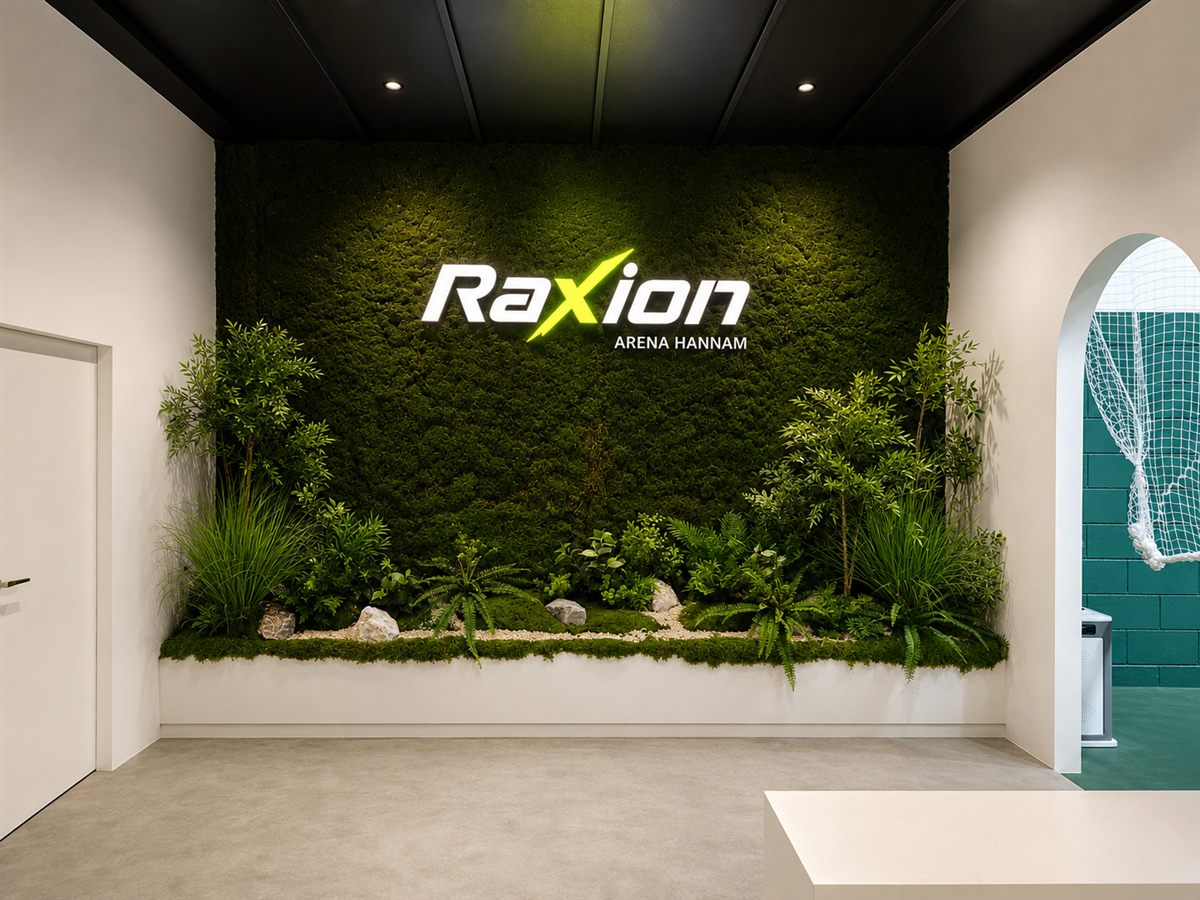
RAXION Arena Hannam. Supplied venue photograph.

RAXION Arena Hannam offers a real place to discuss an indoor tennis simulator beyond concept imagery. A March 2026 announcement reported the opening of the Seoul Hannam location alongside a Gwanggyo location; the supplied Hannam photographs show a completed branded venue and training area.

What the documented case shows

The site materials show a reception area and an indoor practice space with a projection screen and protective netting. These photographs demonstrate an implemented venue layout, but they do not establish universal space requirements or commercial performance for other properties.

What a prospective operator should inspect

During a site visit, look at player circulation, waiting space, coach visibility, sound, session changeovers and how the practice bay is maintained. Ask which elements are RAXION equipment and which belong to the local building or academy fit-out.

What remains site-specific

The right configuration for another venue depends on its dimensions, building services, local rules and program mix. Neither a photograph nor an opening announcement proves that the same plan will work elsewhere. Request an assessment for your own property.

Frequently asked questions

Does the Hannam case provide a published revenue figure?

The cited announcement does not establish verified venue revenue, so no figure is presented here.

Can the same layout be copied?

Use it as a reference for questions, then obtain a site-specific technical plan.

Next step

Ask RAXION about visiting a demonstration location or reviewing your candidate site.

Sources www.benews.co.kr/news/475544 | raxionofficial.co.kr/contact
Becoming a RAXION partner or distributor

Becoming a RAXION partner or distributor

Concept image for editorial illustration; not a RAXION product photograph.

The RAXION website invites partnership inquiries. A useful first conversation starts with the applicant’s market, customer base and intended role; it should not assume that a particular territory or commercial term is available.

Clarify the partnership model

Are you proposing to operate a venue, add RAXION to an academy, resell the product or support installations? Each role requires different facilities, staffing and support. Describe the market you serve and the experience you can bring.

Prepare practical information

Share your organization, location, existing facilities, target customers, expected project timing and any candidate sites. For distribution, explain sales coverage, technical capability and after-sales capacity. This lets both sides discuss fit before detailed terms.

Confirm terms in writing

Ask about demonstration access, training, supply responsibilities, support boundaries, branding permissions and contractual conditions. The public contact form is an invitation to talk, not an offer of guaranteed exclusivity or earnings.

Frequently asked questions

Is there a public distributor price list?

The cited contact page does not provide one; request current commercial information directly.

Can a club inquire without becoming a distributor?

Yes. An operating venue or academy can describe its own intended use through the contact form.

Next step

Introduce your organization and intended partnership through RAXION’s official contact page.

Sources raxionofficial.co.kr/contact

Maintenance, support, and software updates

Maintenance, support, and software updates

Concept image for editorial illustration; not a RAXION product photograph.

Before adopting a simulator, an operator should know how the system will be maintained and who to contact when a session is interrupted. RAXION’s contact page describes support, manuals and a warranty system; the written agreement should define what applies to the actual installation.

Ask for the service scope

Confirm warranty duration, covered components, exclusions, support hours, remote and on-site response processes, parts availability and any recurring fees. The public site mentions a professional support team, but a venue should rely on its signed terms for service commitments.

Create a local maintenance routine

Assign staff to inspect the practice surface, screen, barriers, ball supply and visible connections at appropriate intervals. Keep records of faults and service visits. Follow the supplier’s instructions for cleaning and adjustments rather than improvising repairs.

Understand updates

Ask how software updates are delivered, when they are scheduled, whether sessions must stop and how changes to modes or reports will be communicated. A clear update process helps staff explain the current experience to members.

Frequently asked questions

Are support terms identical worldwide?

Do not assume so; verify the terms for the installation location and contract.

Should staff fix hardware faults themselves?

Only perform checks authorized by the supplier’s manuals and service guidance.

Next step

Request current warranty, support and update terms with your RAXION proposal.

Sources raxionofficial.co.kr/contact

Daily operations: bookings, staffing, and equipment checks

Daily operations: bookings, staffing, and equipment checks

Concept image for editorial illustration; not a RAXION product photograph.

Reliable daily operations turn an impressive demonstration into a repeatable customer experience. A venue needs a process for welcoming players, preparing the training bay, supervising use and resetting the room between sessions.

Before opening

Inspect the practice surface, screen, barriers, ball supply and visible cables. Verify that staff can start, pause and stop the training system and that the room is clear of hazards. Use a written checklist tailored to the installed equipment and local safety rules.

During bookings

Set clear session lengths, transition time and staff responsibilities. Explain the selected mode and the practice-area rules before play begins. Record faults and interruptions consistently, including when they occurred and what staff did, so support requests can be handled efficiently.

After each session

Allow time to collect balls, review results if relevant and prepare the next program. At closing, reconcile the schedule, clean the area and document any maintenance issue. Confirm which booking or management functions are included in the exact software package rather than assuming every workflow is automated.

Frequently asked questions

Does the system remove the need for staff?

A facility still needs people to manage customers, safety, coaching and exceptions.

Can bookings be integrated?

Ask RAXION for the current management-software scope and integration options for your configuration.

Next step

Use a live RAXION demonstration to build your venue’s opening, session and closing checklists.

Sources raxionofficial.co.kr/contact | www.benews.co.kr/news/475544

RAXION for schools and junior tennis programs

RAXION for schools and junior tennis programs

Concept image for editorial illustration; not a RAXION product photograph.

A school or junior program should evaluate a tennis simulator as an instructional environment, not just as a piece of equipment. Supervision, age-appropriate settings, space and safeguarding come first.

Define the educational objective

Decide whether the system would support basic coordination, racket contact, repeated movement or coach-led feedback. Keep sessions aligned with the learners’ age and experience. RAXION’s published Beginner and Pattern Training modes suggest possible exercises, but the program must be designed and approved by the teaching staff.

Assess safety and supervision

Ask how the practice area is separated from spectators, how ball delivery is stopped, how a teacher controls settings and how groups rotate safely. Check the venue’s own policies, local requirements and equipment documentation. Do not assume a mode name proves suitability for a particular age group.

Pilot before adopting

Run a supervised demonstration with educators, then document whether the system fits the lesson duration, staff ratio and learning objectives. The initial proposal should distinguish a confirmed current feature from a future or customized request.

Frequently asked questions

Is RAXION approved for every school setting?

No universal school approval is established by the public website; evaluate the actual site, age group and operating procedures.

Can students use it unsupervised?

The school should set supervision rules based on its assessment and the supplier’s current safety guidance.

Next step

Contact RAXION with the age group, room information and learning objectives for a tailored discussion.

Sources raxionofficial.co.kr/ | raxionofficial.co.kr/contact
How to model revenue for a screen tennis venue

How to model revenue for a screen tennis venue

Concept image for editorial illustration; not a RAXION product photograph.

A useful revenue model is a set of transparent assumptions, not a promise. Start with the number of bookable sessions a facility can deliver, then test how pricing, occupancy and costs affect the result.

Start with sellable capacity

Calculate bookable hours after closing time, staff breaks, maintenance and program changes. Separate coached lessons, member practice and introductory sessions if they have different prices or staffing costs. Capacity is the ceiling; it is not expected sales.

Build several demand scenarios

For each format, multiply available sessions by a cautious, base and optimistic booking rate, then by the applicable price. Subtract variable costs, fixed operating expenses and any service fees. Show assumptions explicitly so readers can change them for their own market.

Measure actual performance after launch

Track occupancy by daypart, repeat visits, lesson retention and gross margin by session type. A venue may prefer a lower-priced introduction that leads to lessons, or a different mix altogether. Use actual operating data to revise the model instead of advertising a universal return on investment.

Frequently asked questions

Can RAXION guarantee venue revenue?

No responsible forecast can guarantee demand or profit for a specific location.

What input matters most?

Booking rate, price, available capacity and local operating costs all materially affect the model.

Next step

Discuss your planned session mix and site with RAXION, then build the financial model using local quotes.

Sources raxionofficial.co.kr/contact
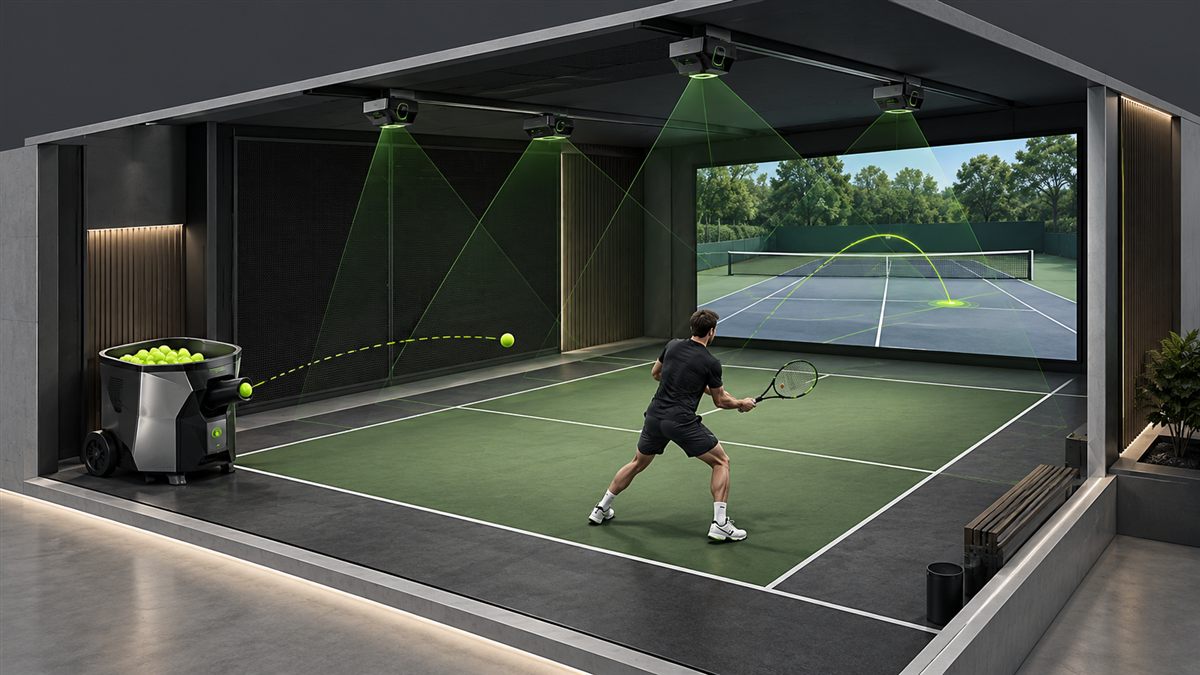
Adding RAXION to a tennis club or academy

Adding RAXION to a tennis club or academy

Concept image for editorial illustration; not a RAXION product photograph.

An existing club does not need to build a new business around a simulator from day one. The stronger starting point is to identify a gap in its current program and test whether RAXION can serve that need within its space and staff capacity.

Choose a clear use case

Possible uses include supervised introductory sessions, repeatable technique drills or additional practice during periods when outdoor courts are unavailable. Match the use case to a player segment and session length. This gives the club a reason to adopt the equipment beyond novelty.

Check room and schedule fit

Identify a room that allows safe movement, staff access and convenient booking without disrupting existing classes. Document dimensions and utilities for a technical assessment. Consider how players will enter, wait and leave when sessions turn over.

Run a coached pilot

Ask coaches to trial the published modes and results display. Their feedback should shape instructions, drill selection and the handoff between human coaching and device-led repetition. Track practical observations such as setup time and participant questions before expanding the program.

Frequently asked questions

Does RAXION replace a tennis coach?

The most useful academy application is as a structured practice tool alongside a coach’s instruction and judgment.

Can any spare room be converted?

A room needs a site-specific suitability and safety assessment.

Next step

Ask RAXION to assess a proposed room and demonstrate the modes your coaches would use.

Sources raxionofficial.co.kr/ | raxionofficial.co.kr/contact
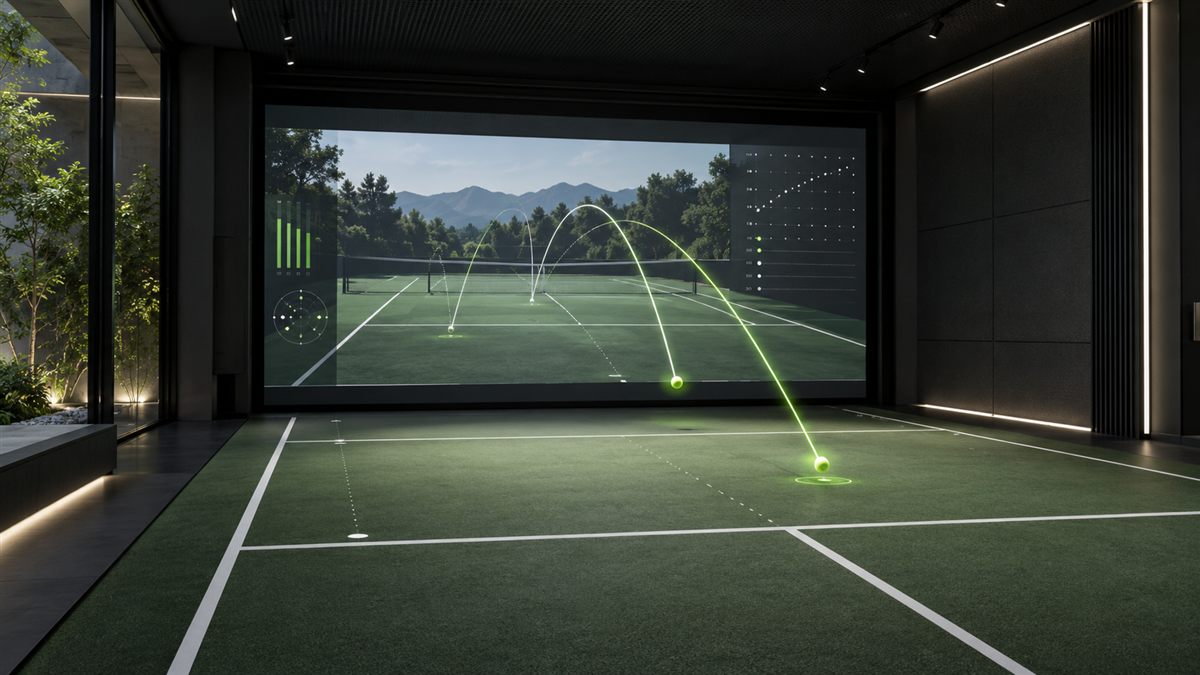
Related guides

What goes into a screen tennis venue startup budget?

What goes into a screen tennis venue startup budget?

Concept image for editorial illustration; not a RAXION product photograph.

A screen tennis startup budget is more than a simulator price. The right estimate connects the chosen room, installation work, staffing and launch plan to a realistic reserve for ongoing operations.

Separate one-time costs

List deposit and lease setup, design and fit-out, electrical and network work, equipment supply, installation, safety measures, signage and opening promotion. Ask each vendor to specify what is included, excluded and subject to site conditions. A low equipment quote may leave substantial building work outside its scope.

Plan recurring costs

Estimate rent, utilities, staff, cleaning, consumables, insurance, software or service fees if applicable, and routine maintenance. Include a contingency for early months when bookings may not yet reach the target level. Use written offers and local cost estimates rather than a generic industry number.

Test the budget against the service model

A lesson-led academy, member-practice room and walk-in venue have different staffing and schedule needs. Build at least a cautious and a more active scenario. The purpose is to identify the assumptions that make the plan work, not to publish an assured payback period.

Frequently asked questions

Is a single startup cost figure reliable?

No. Property condition, configuration and local operating costs can change the total materially.

Should an equipment quote include fit-out?

Confirm line by line; equipment supply and construction may be separate.

Next step

Request an itemized RAXION proposal for your actual site before finalizing a venue budget.

Sources raxionofficial.co.kr/contact

How to open an indoor screen tennis venue: step-by-step

How to open an indoor screen tennis venue: step-by-step

Concept image for editorial illustration; not a RAXION product photograph.

Opening an indoor screen tennis venue is a property, operations and coaching project as well as an equipment purchase. Work through the decisions in sequence so that the business model and room conditions support the technology.

Define the offer

Decide who the venue serves: coached beginners, repeat-practice members, academy students or a mix. Set a realistic session format and staffing plan before choosing a property. The offer affects the number of practice bays, waiting space and opening hours.

Validate the site and budget

Shortlist locations, collect room measurements and request a technical site assessment. Build a budget that separates lease and fit-out costs from equipment, installation, utilities, staffing, insurance and launch marketing. Confirm permits and building requirements with the appropriate local professionals; a product supplier’s quote is not a substitute.

Test before launch

After the configuration is agreed, plan staff training, session rules, safety checks, booking flow and a supervised trial period. Ask how the equipment is serviced and how guests receive help. Open with a program your team can deliver consistently rather than assuming demand from the technology alone.

Frequently asked questions

What should be decided first?

Start with the target customer and session model, then test whether a candidate site and budget support it.

Does RAXION provide architectural or licensing services?

Confirm the supplier’s exact scope in writing; do not assume those services are included.

Next step

Share your venue concept and candidate site with RAXION to begin a product-fit discussion.

Sources raxionofficial.co.kr/ | raxionofficial.co.kr/contact

RAXION site survey checklist

RAXION site survey checklist: what to measure before requesting a quote

Concept image for editorial illustration; not a RAXION product photograph.

A useful quote begins with a clear description of the proposed site. Before asking about equipment price, gather the measurements and operating constraints that determine what can actually be installed.

Capture the room

Measure clear width, length and height at several points. Note beams, slopes, sprinklers, light fixtures, windows, doors and any overhead services. Mark the intended screen wall, participant entry and waiting area on a simple plan. Photograph each wall and the ceiling from opposite corners.

Record access and utilities

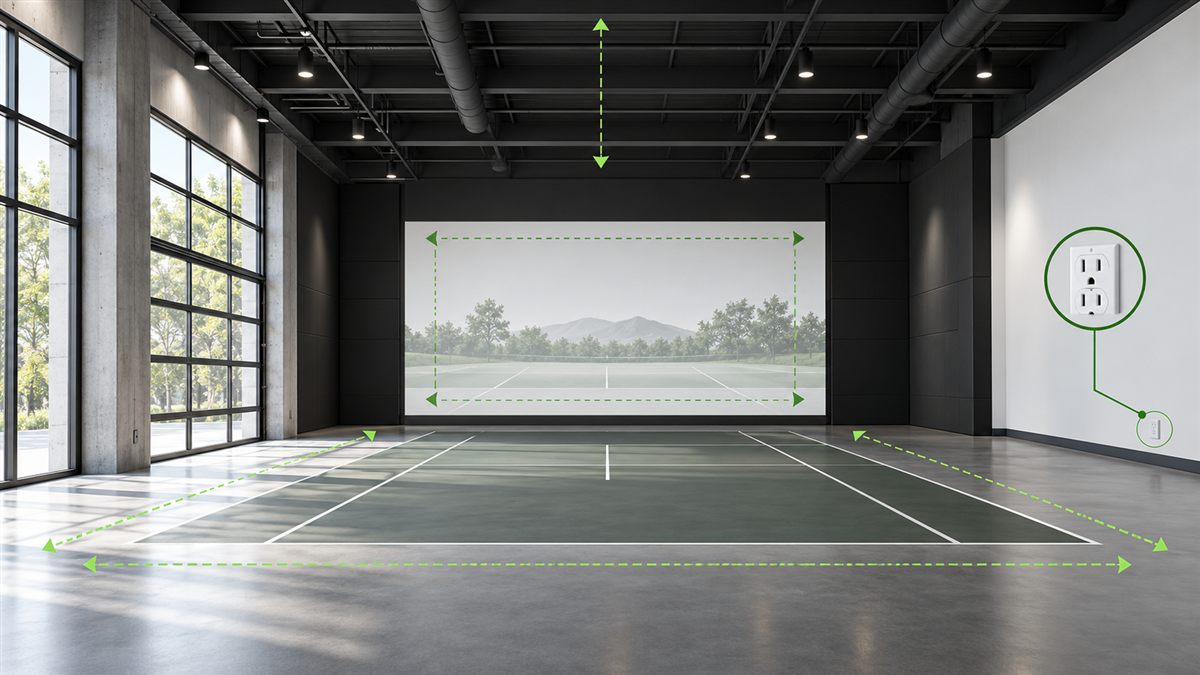
List power-panel location, available circuits, network access, ventilation and any building rules for sound, operating hours or construction. Record delivery access, elevator limits and landlord approvals that may affect installation. A technician should verify the final requirements.

Explain how the space will operate

State whether the room is for coached lessons, member practice or a new dedicated venue. Include expected group size, coach supervision and adjacent uses. This helps the supplier assess not only physical fit but also circulation and safety.

Frequently asked questions

Do I need an architect’s drawing to make an inquiry?

A dimensioned sketch and clear photos can start the discussion; the supplier can tell you what further drawings are needed.

Will the checklist prove installation is possible?

No. It prepares a meaningful assessment but does not replace technical approval.

Next step

Use this checklist when contacting RAXION so the first conversation can address your actual site.

Sources raxionofficial.co.kr/contact

Related guides

Space, power, and installation requirements for RAXION

Space, power, and installation requirements for RAXION

Concept image for editorial illustration; not a RAXION product photograph.

The right installation starts with a survey of the actual room. Public product pages can describe a system, but they cannot confirm that a particular ceiling, floor, wall, electrical circuit or access route will accommodate it.

Measure the usable practice area

Record clear width, depth and ceiling height after accounting for columns, lighting, ducts, doors and circulation. Identify the proposed screen wall, player position and safe buffer areas. Share a dimensioned plan and photographs rather than a single floor-area number.

Check services and building conditions

Ask the installation team to confirm electrical load, outlet locations, network needs, ventilation, floor condition and any landlord or building restrictions for the proposed configuration. The public website does not establish a universal requirement for every room, so do not publish an unverified minimum measurement.

Confirm scope before construction

Separate equipment supply from site preparation, electrical work, finishes, safety barriers, testing and staff training in the written proposal. Record who is responsible for each item and what must be ready before delivery. The final suitability decision should come from a site-specific assessment.

Frequently asked questions

Can a floor plan replace a site survey?

It is a useful first step, but an on-site check may be needed to verify conditions the plan cannot show.

Are published minimum dimensions enough?

Use only current company-approved figures and confirm them against your specific room.

Next step

Send your room plan, photos and intended use to RAXION for an installation review.

Sources raxionofficial.co.kr/contact

Related guides

Padel and pickleball on RAXION: what is planned

Padel and pickleball on RAXION: what is planned

Concept image for editorial illustration; not a RAXION product photograph.

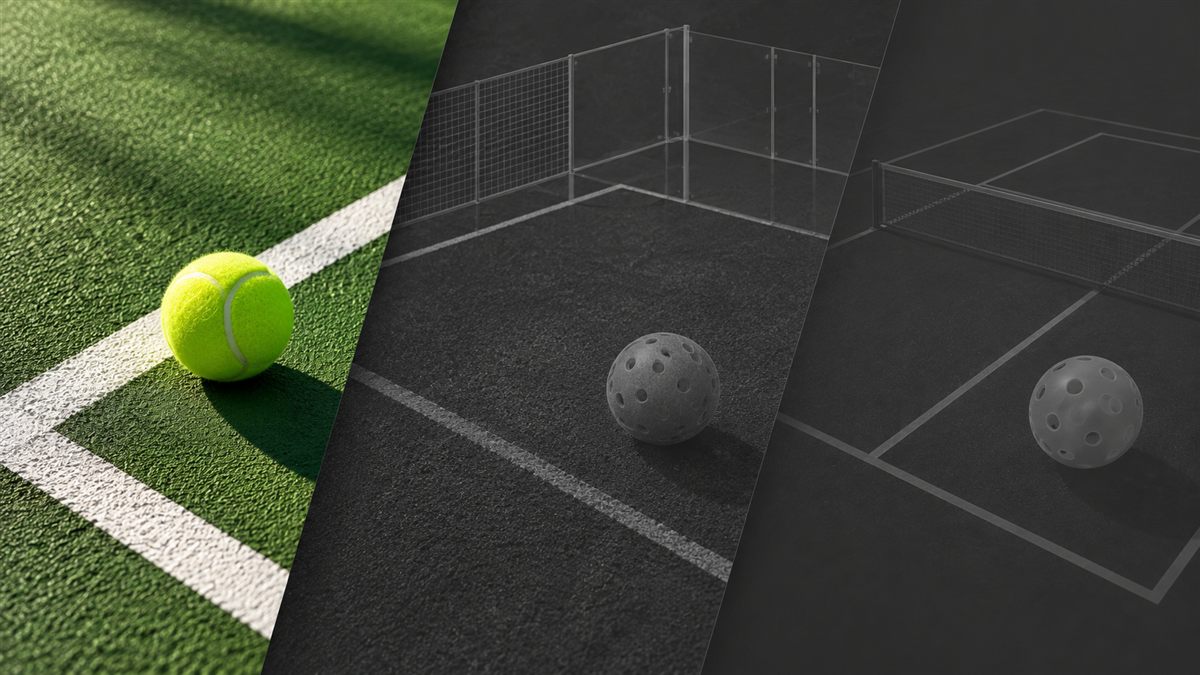
RAXION’s public website labels padel and pickleball as ‘Coming Soon.’ That communicates a direction, not a current feature list, release date or purchase commitment. Venues should plan today’s installation around the tennis capabilities they can verify now.

What is public today

The current website presents tennis training modes and a future reference to padel and pickleball. It does not publish the configuration, compatibility rules or schedule for those sports. An operator should avoid describing future functions as included in a current contract.

Questions for future planning

If a multi-sport concept matters to your venue, ask what hardware or space decisions could affect a later expansion, whether a separate update or equipment package would be required, and what documentation will define availability. Capture answers in the project proposal rather than assuming an automatic upgrade.

Make the current decision stand on its own

The business case for a tennis installation should work on the current tennis use case. Future sports can be a strategic possibility, but they should not be counted as opening-day inventory or forecast revenue until formally launched.

Frequently asked questions

Can visitors play padel or pickleball on RAXION now?

The public site marks them ‘Coming Soon’; verify current availability directly with the company.

Is there a published release date?

No release date is stated on the cited public page.

Next step

Ask the RAXION team for the latest written roadmap if multi-sport use affects your decision.

Sources raxionofficial.co.kr/ | raxionofficial.co.kr/contact

How venue operators can build beginner programs with RAXION

How venue operators can build beginner programs with RAXION

Concept image for editorial illustration; not a RAXION product photograph.

A beginner program succeeds when the first session feels clear, safe and repeatable. RAXION’s Beginner Mode can provide a structured practice component, while a coach remains responsible for instruction, pacing and feedback.

Define the first-session objective

Choose one or two simple goals, such as understanding the ready position and meeting a ball comfortably. Avoid presenting an introductory session as proof that every participant will progress at the same speed. Explain the facility rules, demonstrate the practice zone and keep a coach close enough to intervene.

Build a progression

A venue can plan a short sequence: introductory repetition, a focused Pattern Training exercise and, when appropriate, a more complex rally activity. The official website describes these modes, but the club should validate the exact settings and timing through a trial with its coaching staff.

Make progress understandable

Use observations and the available results screen to discuss what changed between sessions. Ask participants what they found difficult, then set a small next objective. An effective program pairs structured technology with human coaching rather than relying on a speed-of-learning promise.

Frequently asked questions

Does Beginner Mode replace a coach?

No. The coach remains responsible for technique, safety and adapting the lesson to the player.

Can a venue advertise that beginners learn faster?

That claim needs evidence from a defined comparison. Describe the program and its practice structure instead.

Next step

Discuss a beginner-session demonstration with your coaching team and RAXION.

Sources raxionofficial.co.kr/ | www.benews.co.kr/news/475544

What a RAXION training session looks like

What a RAXION training session looks like, from mode selection to results

Concept image for editorial illustration; not a RAXION product photograph.

A useful product demonstration follows the player’s entire session. RAXION publicly describes mode selection, practice patterns, rally play and a results display; a venue should see how those elements connect in the current installation.

Before the first ball

An operator should decide who the session is for and which mode matches its objective. A newcomer may need a simple supervised introduction, while a returning player may use a repeated pattern. Confirm how staff adjust settings, explain the exercise and check that the practice area is ready.

During practice

Observe ball delivery, screen interaction, player movement and staff intervention. Ask how an exercise is paused or changed, how balls are collected and how a coach shifts between instruction and practice. These operational details determine whether a session fits a venue’s schedule.

After the session

The official site describes a results display with speed, spin and accuracy data. A coach can review the output with the player and set the next objective. In an actual demonstration, check what is visible immediately and what, if anything, can be retained for later review.

Frequently asked questions

Is this a fixed universal workflow?

No. It is a planning framework drawn from the published modes and display; confirm the current interface and local operating procedure.

Should the operator test the system personally?

Yes. A staff-led trial can reveal setup, reset and explanation needs that a brochure cannot.

Next step

Book a demonstration that starts with staff setup and ends with the player’s result review.

Sources raxionofficial.co.kr/ | raxionofficial.co.kr/contact

What RAXION measures: speed, spin, and accuracy data

What RAXION measures: speed, spin, and accuracy data

Concept image for editorial illustration; not a RAXION product photograph.

The RAXION website says its result display visualizes speed, spin and accuracy after a session. Those categories can help structure feedback, provided a venue explains exactly what each metric represents and avoids treating a single reading as a complete measure of skill.

Start with the metric definition

Before publishing a data-led training claim, ask for the current on-screen definitions and sample output. Does a speed value refer to the incoming ball or the player’s shot? How is spin categorized, and how is accuracy calculated? The public overview names the categories but does not answer every methodological question.

Use data to guide a conversation

A coach can use a results screen to connect an exercise with what happened on the court. Repeated sessions may reveal patterns worth discussing, but changes in settings, player fatigue and the goal of the drill all affect interpretation. Data should support coaching judgment, not replace it.

Show the real interface

For a blog article or sales demonstration, use a current approved screenshot and a plain-language caption for each field. A real example is more useful to a buyer than a claim that the system provides ‘advanced analytics’ without showing the output.

Frequently asked questions

Does RAXION display these categories?

Yes, the official website lists speed, spin and accuracy as session data categories.

Can a venue promise measurable improvement?

Only if it has a defined measurement method and evidence for the particular claim.

Next step

Request a live results-screen demonstration and a written explanation of the displayed metrics.

Sources raxionofficial.co.kr/

Related guides

Beginner, Pattern Training, and Rally Mode: how each works

Beginner, Pattern Training, and Rally Mode: how each works

Concept image for editorial illustration; not a RAXION product photograph.

RAXION describes three levels of practice: Beginner Mode, Pattern Training Mode and Rally Mode. For operators, the useful distinction is the teaching objective each mode can support, not simply the number of modes on a menu.

Beginner Mode

The official site positions Beginner Mode for newcomers learning tennis fundamentals. In a facility, this can form part of a coached introduction with clear instructions, appropriate ball settings and supervision. It should not be presented as a guaranteed shortcut to a specific learning outcome.

Pattern Training Mode

Pattern Training Mode is described as a way to design ball patterns and control speed and trajectory for repeated practice. A coach can select a narrow objective, such as preparing for a particular ball path, then repeat the exercise before changing one variable. A demonstration should show how operators create and save the patterns they actually need.

Rally Mode

Rally Mode is presented for more advanced play, including short, cross-court and full-court rally scenarios. Operators can use it to vary sessions after foundational work. Confirm the current mode behavior and staffing needs through a live demonstration before including it in a published program schedule.

Frequently asked questions

Should beginners start with Rally Mode?

The published progression starts with Beginner Mode and moves toward more complex practice. A coach should set the appropriate level.

Can a club mix modes in one lesson?

A club can plan a lesson structure around multiple modes, subject to the available configuration and live workflow.

Next step

Ask RAXION to demonstrate each mode using the lesson scenarios your venue plans to offer.

Sources raxionofficial.co.kr/

Related guides

What Is the Raxion Tennis Simulator?

Quick Answer

Raxion is an all-in-one tennis simulator that combines a high-performance pitching bot with AI-driven tracking sensors and coaching software. It delivers fully customized training across three progressive modes — Beginner, Pattern Training and Rally — and visualizes speed, spin and accuracy after every session.

  • All-in-one system: pitching bot, tracking sensors and coaching software in one installation.
  • Three progressive modes: Beginner, Pattern Training and Rally.
  • Session data — speed, spin and accuracy — is visualized immediately after play.
  • Built for players, coaches and facility operators.

How Raxion works

The bot feeds the ball. Sensors read the shot. Results come back instantly, so the next repetition can be adjusted for speed, spin and placement.

How to Choose a Tennis Simulator: 7 Criteria That Actually Matter

A club comparing tennis simulators should test the installation against its own program. These seven checks are questions to answer in a demonstration and a written proposal. They are not published RAXION performance numbers.

1. Ball speed range

Ask which speeds the configuration you are shown can feed, and whether staff can change speed during a lesson. A figure in a brochure is not the setting a beginner session will use. Ask to see a slower setting and a faster setting on the same court.

2. Spin and trajectory

Pattern Training Mode is described as a way to repeat a ball pattern, with public references to speed and trajectory. Ask to see one pattern, then one change, so the staff can tell what actually moved. Ask how spin is explained to the player, rather than assuming a standard unit.

3. Tracking and the accuracy label

The result display names speed, spin, and accuracy. Ask what each figure refers to before you compare brands on that word. The public overview does not publish a sensor tolerance or a guaranteed accuracy percentage.

4. Floor space and height

There is no single published room size that fits every site. Measure clear width, length, and height, and note beams, doors, and overhead services. Request a site assessment before you treat two quotes as comparable.

5. Practice modes the staff can actually run

Confirm how Beginner, Pattern Training, and Rally modes are started, paused, and explained to a new player. A mode list matters only if the person on duty can run it inside a real lesson without a specialist in the room.

6. Support after installation

Ask who installs the system, who trains the staff, and what service is included for that country. Those terms belong in the proposal. A general article cannot state them for you.

7. How results are shown

Look at the screen a player and a coach actually see at the end of the attempt. A useful display connects the exercise with what happened. It should not be treated as the only measure of a player’s skill.

RAXION can be reviewed against these same questions. The public description is a pitching bot, tracking, and three training modes in one system. The decision still depends on the room, the staff, and the program.

Related guides

Ball Machine vs. Tennis Simulator: What Is the Difference?

A ball machine repeats a feed. A tennis simulator, as RAXION describes its own system, also tracks the shot and shows a result a coach can discuss. The difference is the job each one is built to do, not a score that makes one product the winner in every club.

What a ball machine is for

A ball machine throws balls on a schedule. That is useful when the goal is repetition: a similar pace, a similar placement, and many swings in a row. The machine does not, by itself, record what the player did with the ball. Staff still have to watch the swing and decide what to change.

What the RAXION description adds

RAXION’s public product information describes an indoor setup with a pitching bot, tracking sensors, and three practice modes. Beginner Mode is an introduction to tennis fundamentals. Pattern Training Mode is for a chosen ball pattern; the public description refers to speed and trajectory. Rally Mode simulates rally situations, including short, cross-court, and full-court formats. After a session, the result display visualizes speed, spin, and accuracy.

Those labels are practice purposes. They are not a claim that every player improves by a stated amount, and they are not a published sensor specification.

How to compare them in a demonstration

Watch the feed first. Then watch whether the result display matches the drill the player was attempting. A speed, spin, or accuracy figure is a starting point for a coaching conversation. It is not, by itself, evidence of lasting improvement.

Also compare the operating fit. Who supervises the session, how balls are collected, and whether the room can support the installation all change the choice. The public overview does not publish one room size, one power requirement, or one service plan for every country. Those points belong in a site assessment and a written proposal.

A club that only needs repeated feeds may not need a result display. A club that wants a coach to connect an exercise with what happened on that attempt should ask to see the display during the same demonstration, with the metric definitions explained on screen.

Related guides

How AI Ball-Tracking Sensors Measure Speed, Spin and Accuracy

RAXION’s public product information says that tracking sensors read the shot and that the result display shows speed, spin, and accuracy after a session. It does not publish the sensor method, a sample rate, or an accuracy tolerance. Those details have to be confirmed on the configuration you are shown.

What the display is for

A coach can use the screen to connect an exercise with what happened on that attempt. Read the figure with the drill conditions and the goal of the session. A single number is not evidence of lasting improvement, and it is not a ranking of the player.

The same three labels can appear after different kinds of practice. That is useful only when everyone in the room knows which exercise produced them.

Questions to ask before you rely on a metric

Does a speed value refer to the incoming ball or the player’s shot? How is spin categorized? How is accuracy calculated, and against what target? Ask for the current on-screen definitions and a sample from the demonstration. Do not fill the gap with an assumed laboratory specification.

If a supplier cannot explain a metric while you are looking at the screen, do not publish that metric as a performance claim in a brochure, a listing, or a lesson plan.

Where the feedback sits in a session

Beginner Mode is aimed at fundamentals for a new player. Pattern Training Mode repeats a chosen pattern. Rally Mode simulates rally situations, including short, cross-court, and full-court formats. The display can follow any of these. The coach still chooses the goal, watches movement and safety, and decides what to change next. The simulator does not replace that role.

A practical test in the demonstration is simple. Run one pattern, read the screen with the coach, change one instruction, and run it again. You are checking whether the display supports the conversation, not whether a hidden sensor specification matches a number you hoped to see.

Related guides

Inside RAXION: pitching bot, tracking sensors, and software

Inside RAXION: pitching bot, tracking sensors, and software

Concept image for editorial illustration; not a RAXION product photograph.

RAXION presents its simulator as a connected training system: ball delivery creates the drill, tracking observes the play, and software organizes practice and feedback. Understanding these roles helps an operator ask better questions during a demonstration.

Ball delivery for repeatable practice

The pitching bot is described as a core hardware component. In Pattern Training Mode, the official site says users can adjust ball patterns, speed and trajectory. For an academy, repeatability can help a coach set up a focused drill, but the actual operating range and configuration should be confirmed against the current product specification.

Tracking and result display

RAXION also describes AI-driven tracking sensors and a results display showing data such as speed, spin and accuracy after a session. The display can make a practice session easier to discuss with a player. Ask which values relate to the delivered ball, the returned shot or a session summary, and how the system presents them.

Why the components must be assessed together

A buyer should observe a complete session, from selecting a mode to reviewing results. Check how quickly staff can reset an exercise, whether the player can understand the feedback and what routine care each component needs. A specification sheet alone cannot show the full operating experience.

Frequently asked questions

Can the pitching bot be assessed in isolation?

It can be demonstrated, but the operator should also evaluate tracking, display and workflow as one system.

Are all components included in every proposal?

Confirm the exact hardware and software scope in the written quotation.

Next step

Request a demonstration that includes the complete training workflow, not only ball delivery.

Sources raxionofficial.co.kr/ | raxionofficial.co.kr/contact

What is RAXION? The AI tennis simulator explained

What is RAXION? The AI tennis simulator explained

Concept image for editorial illustration; not a RAXION product photograph.

RAXION is an indoor tennis simulator developed by Joeun VnC. It combines structured practice modes with an on-screen training environment and a post-session result display. Its public product information describes Beginner Mode, Pattern Training Mode, and Rally Mode, along with measures such as speed, spin, and accuracy.

For a club or academy, the question is not simply whether a machine can feed balls. It is whether a repeatable exercise fits the program, space, staff workflow, and type of player the venue serves. RAXION should be evaluated in that operating context.

How the system works

The RAXION website describes an integrated setup built around a pitching bot, tracking sensors, and several training modes. Players can practice with programmed ball patterns, take part in rally-style exercises, and review session information on a results display. These elements give operators a way to offer structured indoor practice rather than an open-ended hitting session.

Three ways to structure a session

Beginner Mode is presented as an introduction to tennis fundamentals for new players. Pattern Training Mode is designed for customized, repeated ball patterns; the public description refers to control over speed and trajectory. Rally Mode simulates rally situations against an AI coach, including short, cross-court, and full-court rally formats.

These are different training purposes, not a ranking of customer value. A coach or operator chooses the format that matches the session goal. The separate mode guide explains each one in more detail.

What the result display shows

RAXION says its result display visualizes speed, spin, and accuracy after a session. The display can give a coach and player a starting point for discussion. It should be read alongside the drill conditions and what the player was trying to practice. A single number is not, by itself, evidence of lasting improvement.

Who should evaluate RAXION

Club owners, academy operators, and other indoor sports venue teams can use a demonstration to test whether the modes support their intended program. A productive review includes the person who will coach or supervise sessions, the person responsible for the facility, and whoever will manage customer bookings and support.

What to check before adopting RAXION

Before requesting a proposal, prepare a measured floor plan, photos of the room, a description of intended users, and an outline of the program. Ask for a live demonstration and a site-specific proposal. Confirm the equipment configuration, usable practice area, safety arrangements, electrical needs, training workflow, and post-installation support in writing. Installation requirements, configuration, local service arrangements, and commercial terms must be confirmed for the proposed site and country.

Frequently asked questions

Is RAXION only for experienced players?

No. The official site describes Beginner, Pattern Training, and Rally modes for different experience levels.

Does the website provide a universal room size?

The public overview does not establish a single suitable dimension for every site. Request a site assessment.

Is RAXION a replacement for a human tennis coach?

It is a training tool. A coach still chooses the goal, observes movement and safety, and interprets results for the player.

Does RAXION support padel or pickleball now?

The public site labels padel and pickleball as coming soon. Do not assume those sports are available in the current tennis configuration without direct confirmation.

Where can a venue buyer ask for a site-specific review?

Use the partner inquiry form and include the floor plan, location, and intended training program: raxionofficial.co.kr/contact.